Security
Before a work step, machine identity, test status and required evidence can be viewed together. Digital information supports responsible decisions, but does not replace a machine protection function.
 VeriSeal©
Industry
VeriSeal connects real products and machines with their digital information. ERP plans, MES reports the production process and VeriSeal adds identity, tests and evidence.
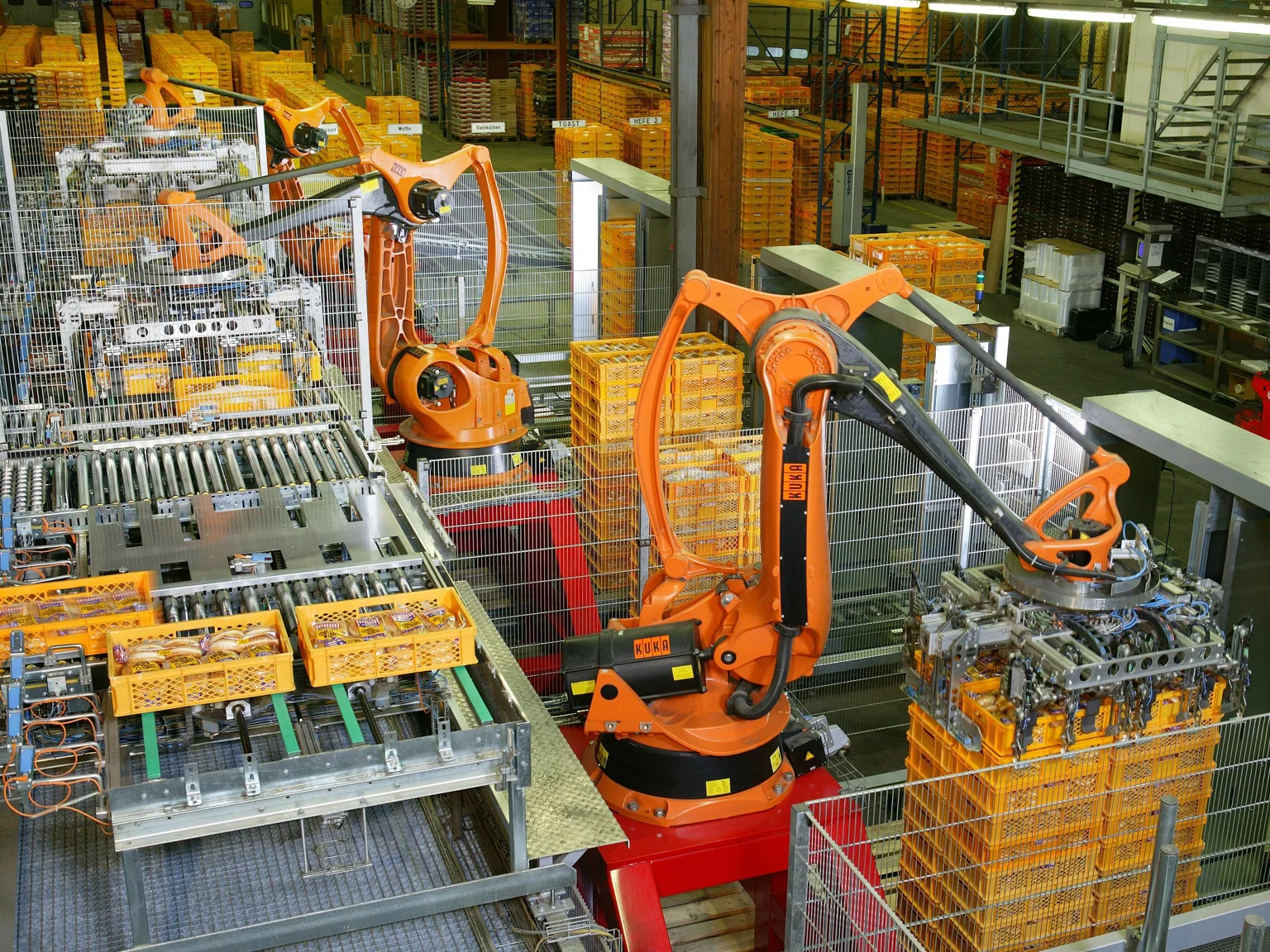
Clearly assign product, machine and order. Scans, tests and connected measuring devices deliver events.
Evaluate availability, performance and quality together. Downtimes and rejects become visible.
Track measures with those responsible and dates and check the effect on comparable key figures.
Before a work step, machine identity, test status and required evidence can be viewed together. Digital information supports responsible decisions, but does not replace a machine protection function.
Order data from the ERP and feedback from production have a common reference. A tested interface reduces manual transfers between planning, production and quality.
Running times, quantities and quality reports together explain the production process. OEE and capacity occupancy are shown with a time period and database so that key figures can be classified correctly.
Downtimes, performance losses and rejects are visible separately. You can address the biggest cause of loss and then compare whether the measure actually improved the process.
Work processes, tests and approvals are carried out in a defined order. Documented deviations prevent unclear results from being implicitly viewed as a completed process.
Better utilization and less waste create starting points for lower unit costs. Investments can be evaluated based on recorded losses and comprehensible before-and-after comparisons.
An order has a clear reference to the product and machine. Production reports delivery times and quantities, quality inspection adds good parts and deviations. Released events are exchanged with the business system.
Availability × performance × quality results in overall system effectiveness. Missing metrics are shown as missing, not good performance.
Planned production time divided by calendar time gives the capacity occupancy. Multiplied by OEE creates a productivity index. Shift models and comparison periods must match.
Goods receipt, production and handover retain the same product reference. Temperature and humidity come from connected sensors; a label alone does not measure these values.
Start with a defined process, define data sources and responsible parties, test the interface and then release it for operation.